TabCAT Tasks
The tools available on TabCAT include cognitive tests of executive function, memory,
language, motor skills, visuospatial skills, and more.
TabCAT tasks are developed by expert neuropsychologists, informed by the latest
literature and inspired by advancements in technology.

Executive Function 

Memory

Socioemotional

Motor

Visuospatial

Language
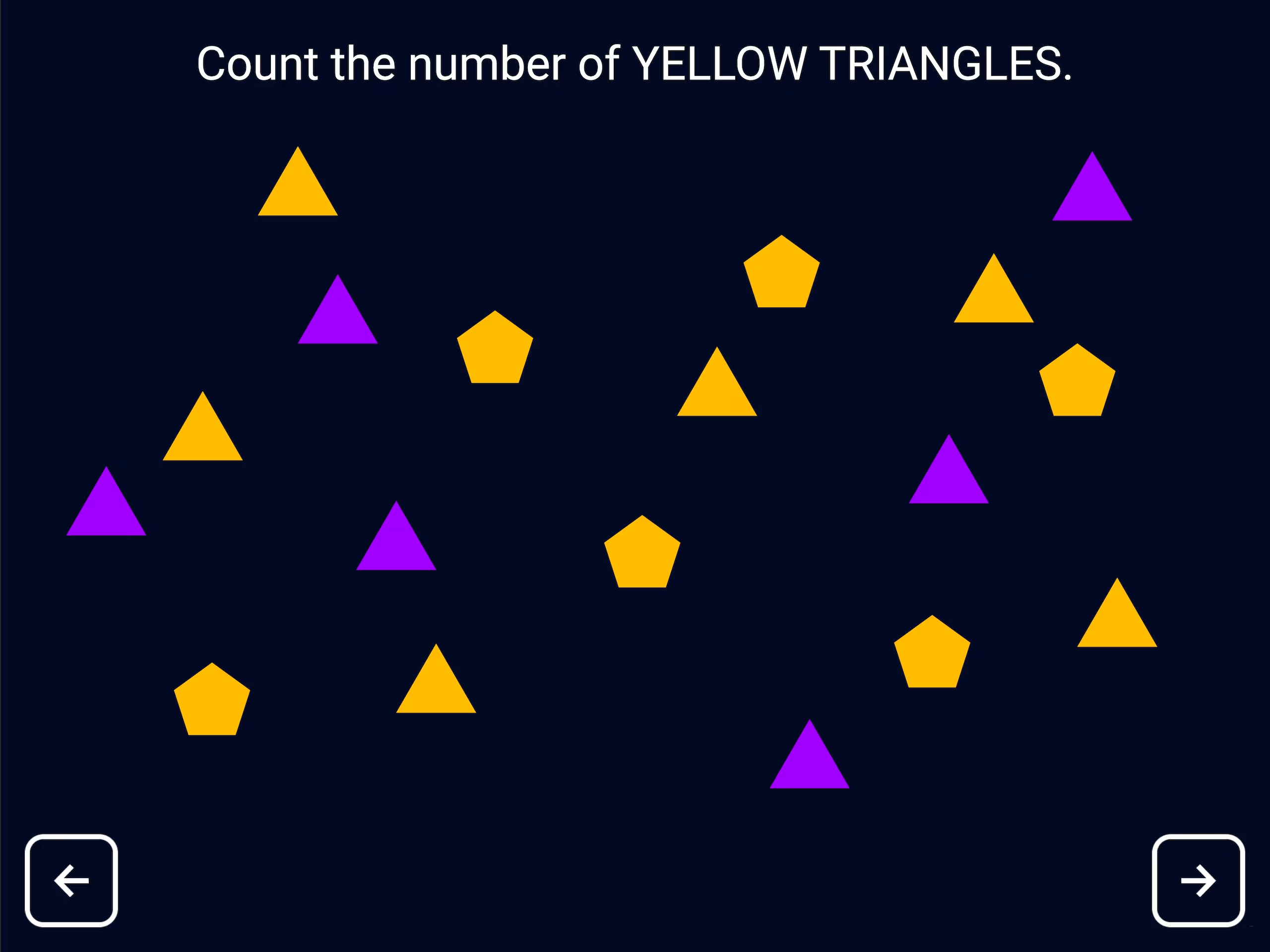
Dot Counting | verbal working memory
Task Length
Task Description
The examinee is shown a mixed array of shapes and is asked to count the number of shapes of a specific type. The examinee is tasked with counting and remembering the counted numbers across several displays. This task relies on attention and working memory skills, which can be affected in a number of neurological disorders, including epilepsy, delirium, TBI, neurodevelopmental conditions (ADHD), and neurodegenerative diseases (AD, FTD, PPAs).
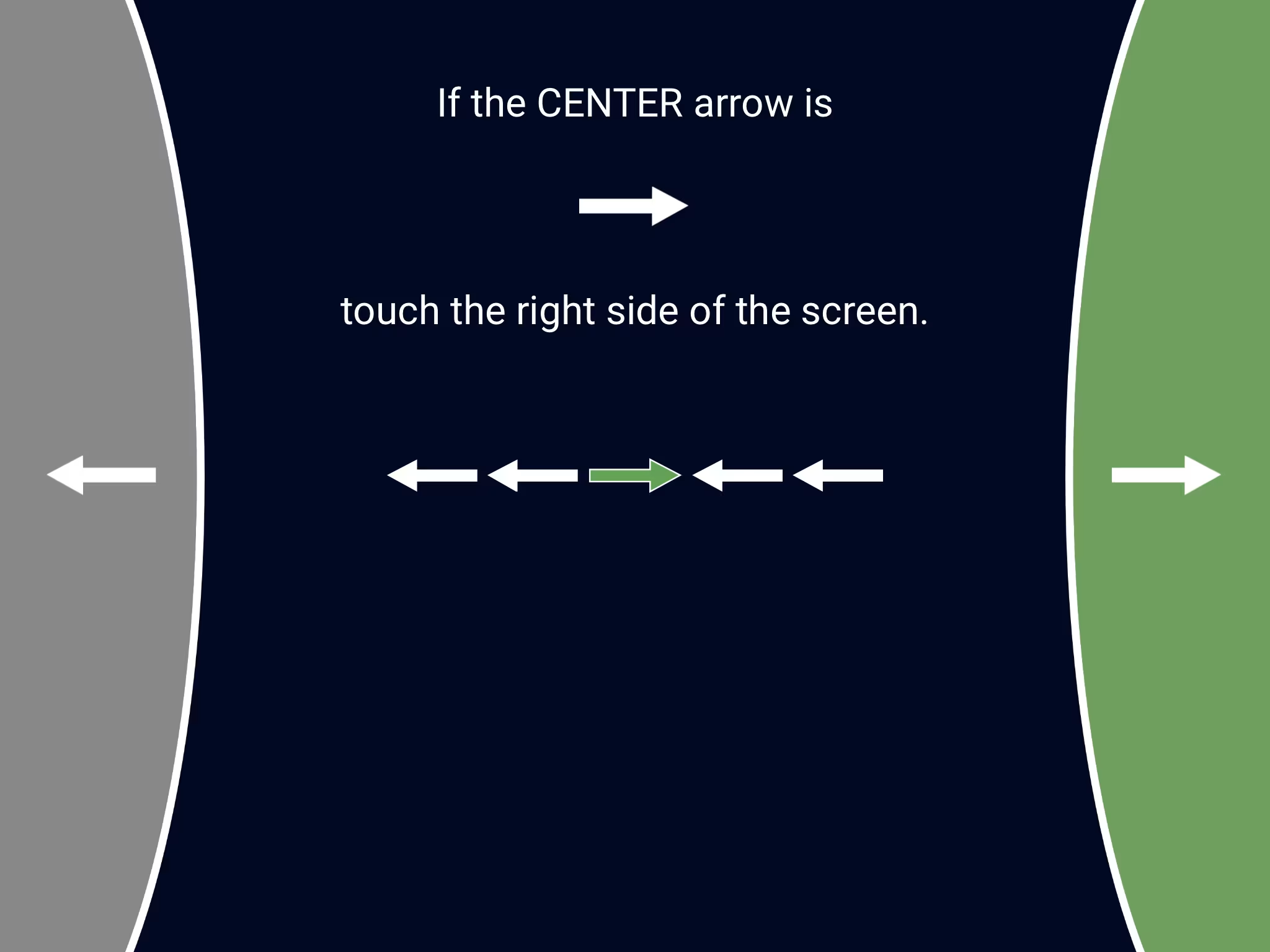
Flanker | inhibition
Task Length
Task Description
The examinee is shown a row of 5 arrows, and must quickly indicate the direction of the arrow in the center among congruent or incongruent surrounding arrows. Poor response inhibition is frequently observed in neurological disorders in which frontal lobes are affected, including neurodegenerative (FTD and AD), developmental (ADHD, ASD), and psychiatric (schizophrenia, bipolar, OCD) disorders.
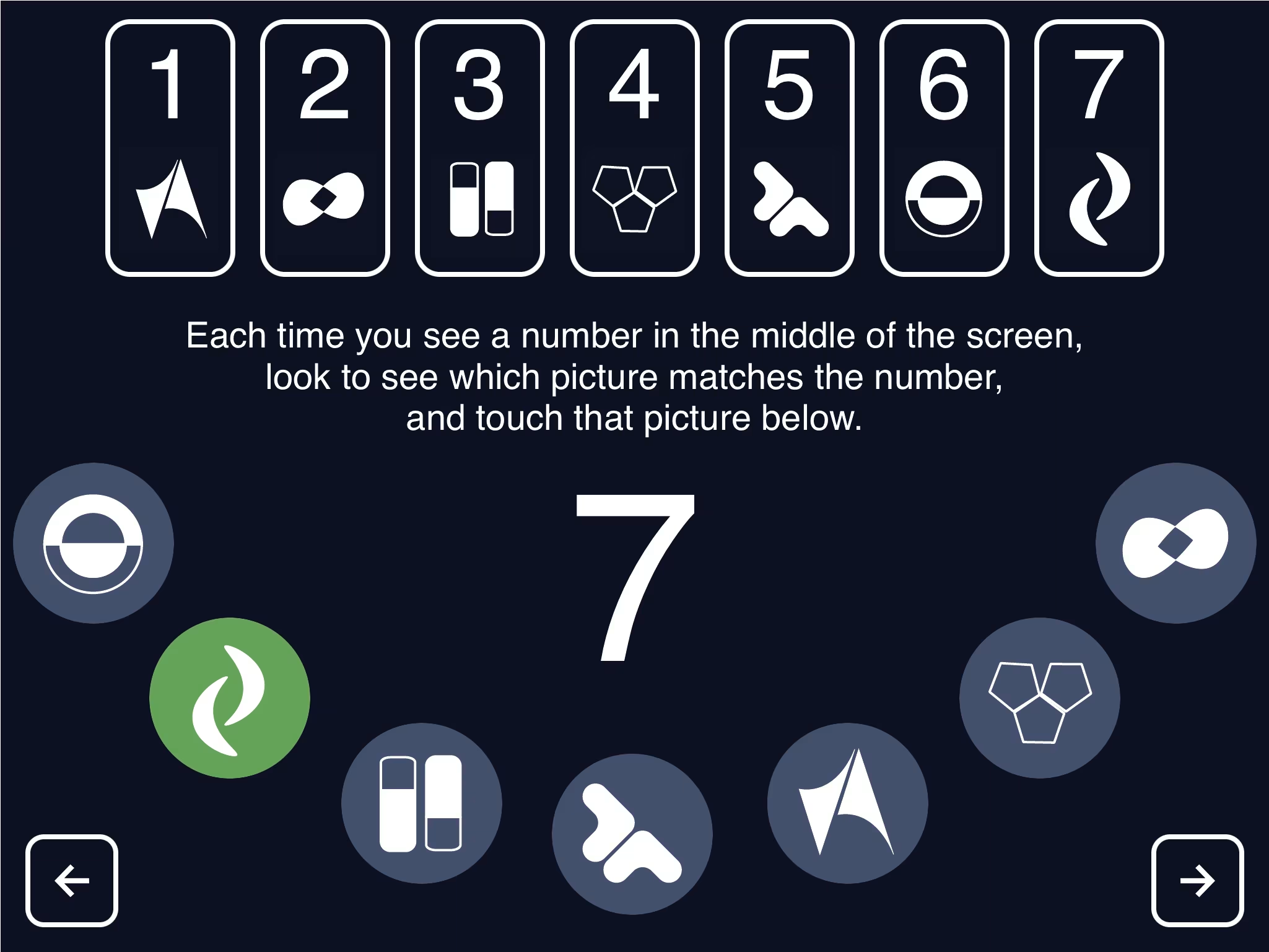
Match | global executive functions
Task Length
Task Description
Modeled after the classic digit-symbol paradigm, the examinee is asked to quickly match abstract symbols and numbers based on a fixed key. This task requires multiple cognitive processes, including processing speed, working memory, and visual scanning, and thus is sensitive to detecting early executive dysfunction in a number of neurological and psychiatric conditions.

Running Dots | spatial working memory
Task Length
Task Description
The examinee is shown a sequence of a dot moving around various locations on a grid and is asked to recall the last n number of locations of where the dot appeared. This task taps into spatial attention and working memory skills, which are commonly affected in a range of neurological and psychiatric conditions (see Dot Counting). Coupling Running Dots with Dot Counting can provide useful information regarding localization of the neurological deficits in working memory.
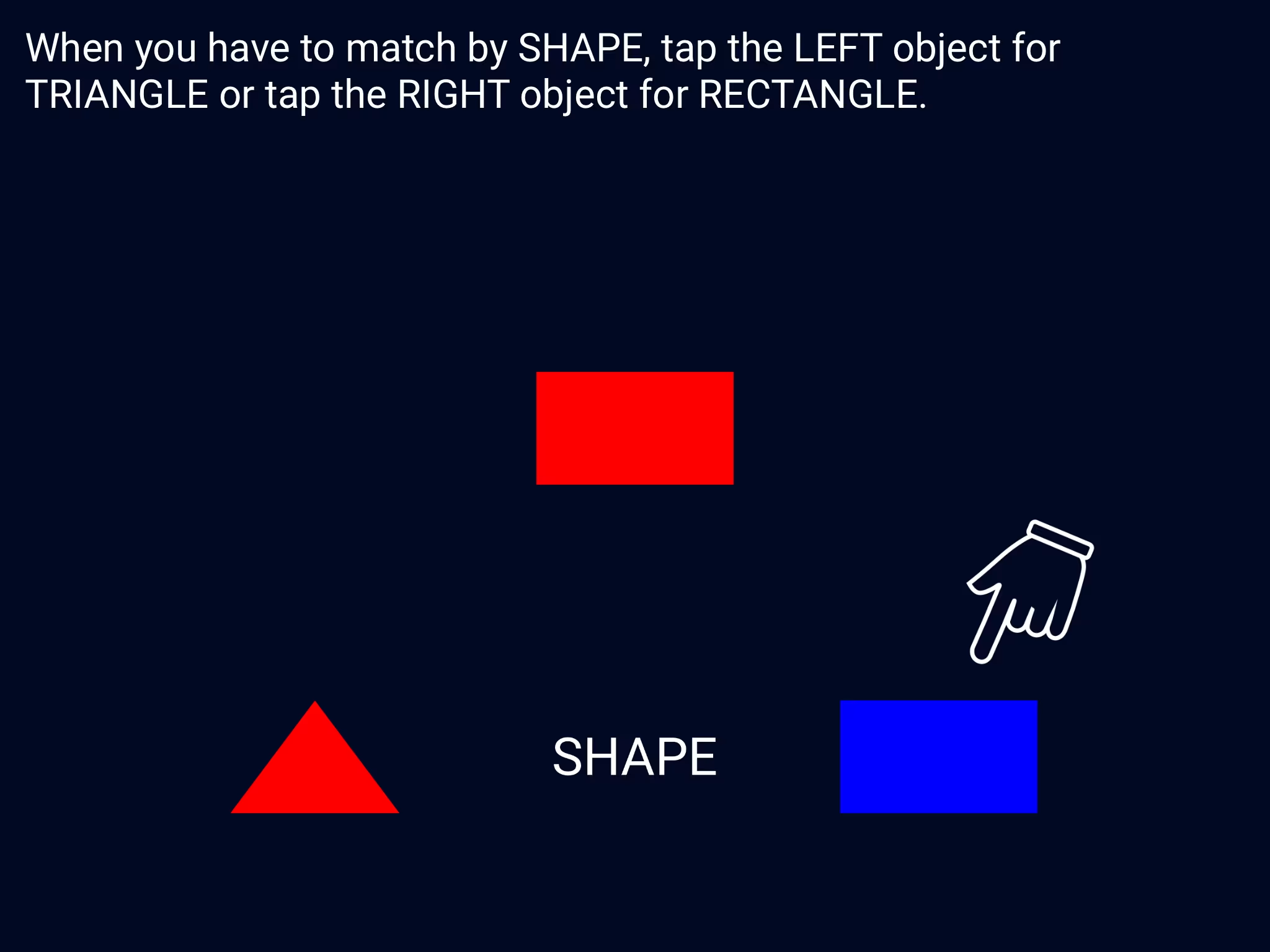
Set Shifting | task switching
Task Length
Task Description
The examinee is asked to match a stimulus to one of two similar stimuli by alternating between classification of shape and color. Set-shifting abilities are frequently affected in neurodegenerative disorders, such as Alzheimer’s type dementia, FTD spectrum, DLB, and vascular dementia as well as epilepsy, multiple sclerosis, TBI, and psychiatric disorders (bipolar, MDD).
Tempo | rhythm keeping
Task Length
Task Description
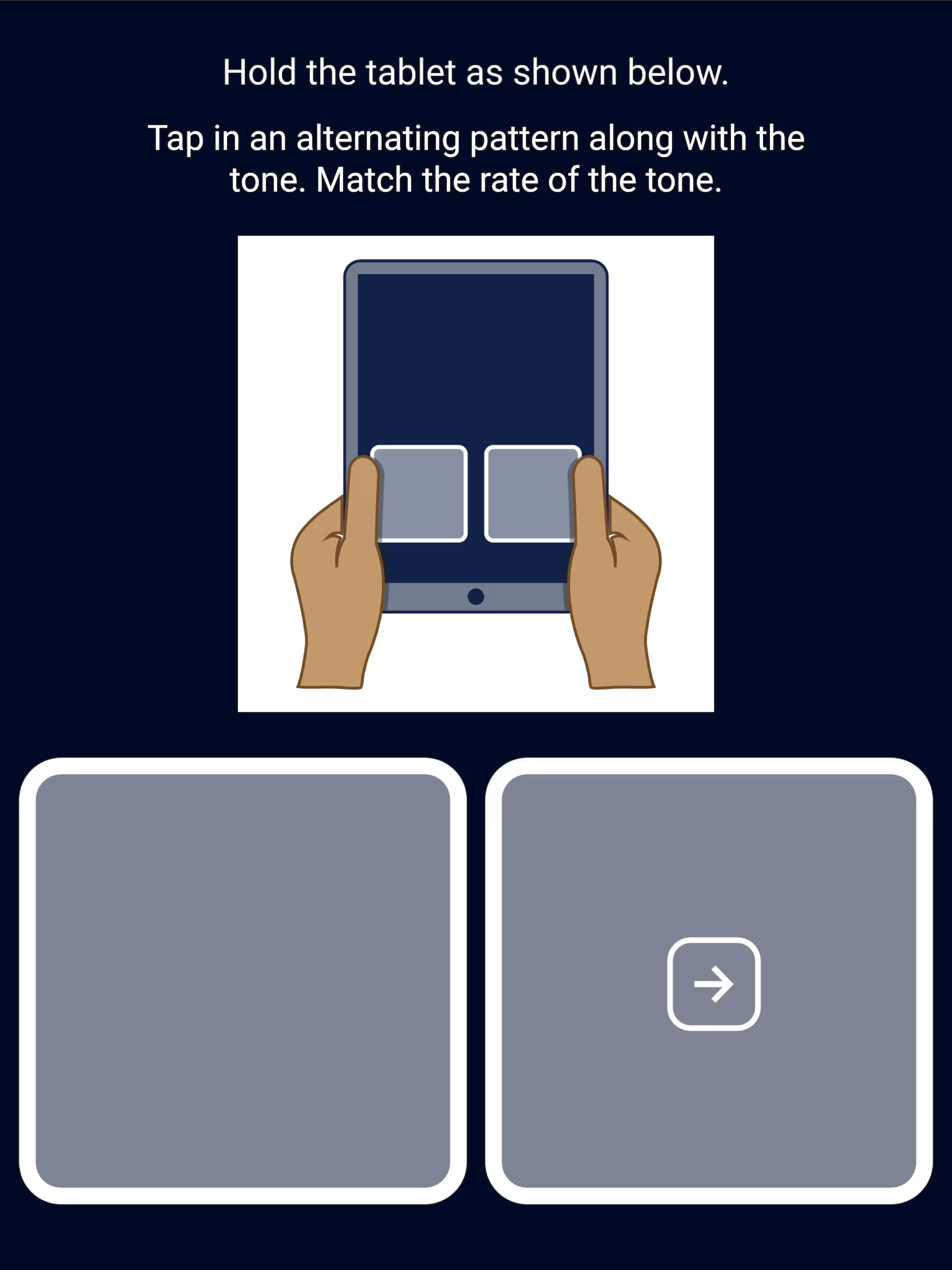
The examinee listens to a metronome-like auditory tone and is asked to tap the screen at the same rate. This task can be useful for detecting early cognitive and neurological changes in Huntington’s disease and Parkinson’s disease.

Birdwatch | visual associative memory
Task Length
Task Description
The examinee is shown pairs of stimuli and is later asked to match individual stimuli with their correct pair. Birdwatch uses a selective reminding paradigm to adjust trial difficulty and is virtually language-free. Early learning and memory problems are most common in AD-type dementia, and this task may be useful for differential diagnosis of neurodegenerative diseases (e.g., AD vs PPA).

Favorites | multimodal associative memory
Task Length
Task Description
The examinee is shown pairs of verbal and visual stimuli and is later asked to recall pairs. Favorites consists of 2 learning trials, each followed by an immediate recall trial, a 10-minute delayed recall trial, and an optional delayed cued recognition trial. This task is sensitive to early memory changes in patients with AD but can also be affected in other neurodegenerative disorders in which attention and working memory functions are affected (e.g., FTD).
Dynamic Affect Recognition Test (DART) | emotion labeling
Task Length
Task Description
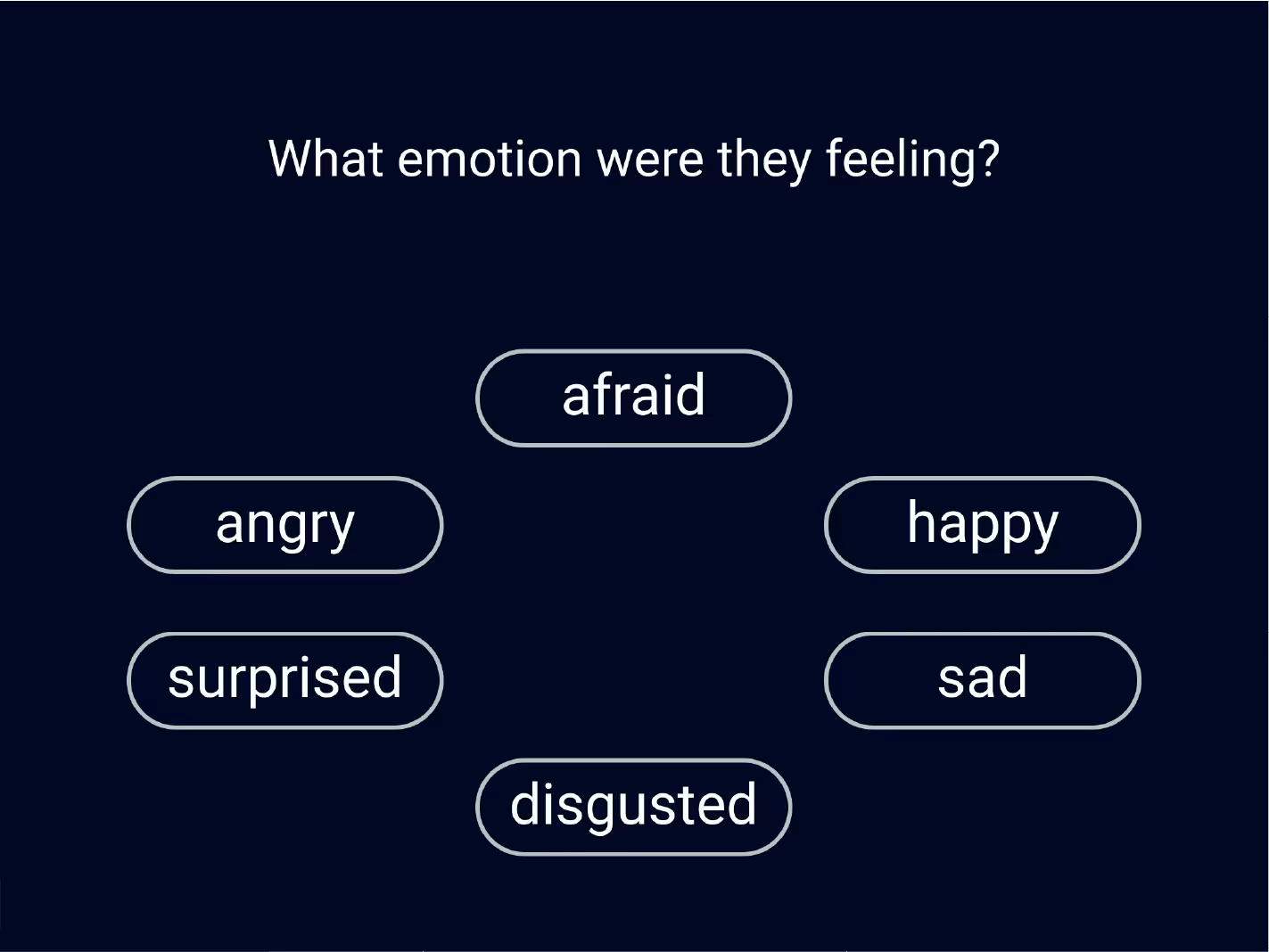
The examinee is shown videos depicting realistic non-verbal emotional cues, and is asked to identify the emotion that the character displayed in the video. Performance on this task is affected in neurodegenerative diseases in which emotion processing is affected, including bvFTD, svPPA, and PSP.

Social Interaction Vocabulary Test (SIVT) | interpersonal dynamics labeling
Task Length
Task Description
The examinee is given a word describing a socioemotional interaction and is asked to choose a picture that best represents the meaning of the word. Performance on this task can be affected in neurodegenerative disorders that are associated with changes in social cognitive abilities, such as svPPA and bvFTD.
Quick Tap | motor speed & dexterity
Task Length
Task Description
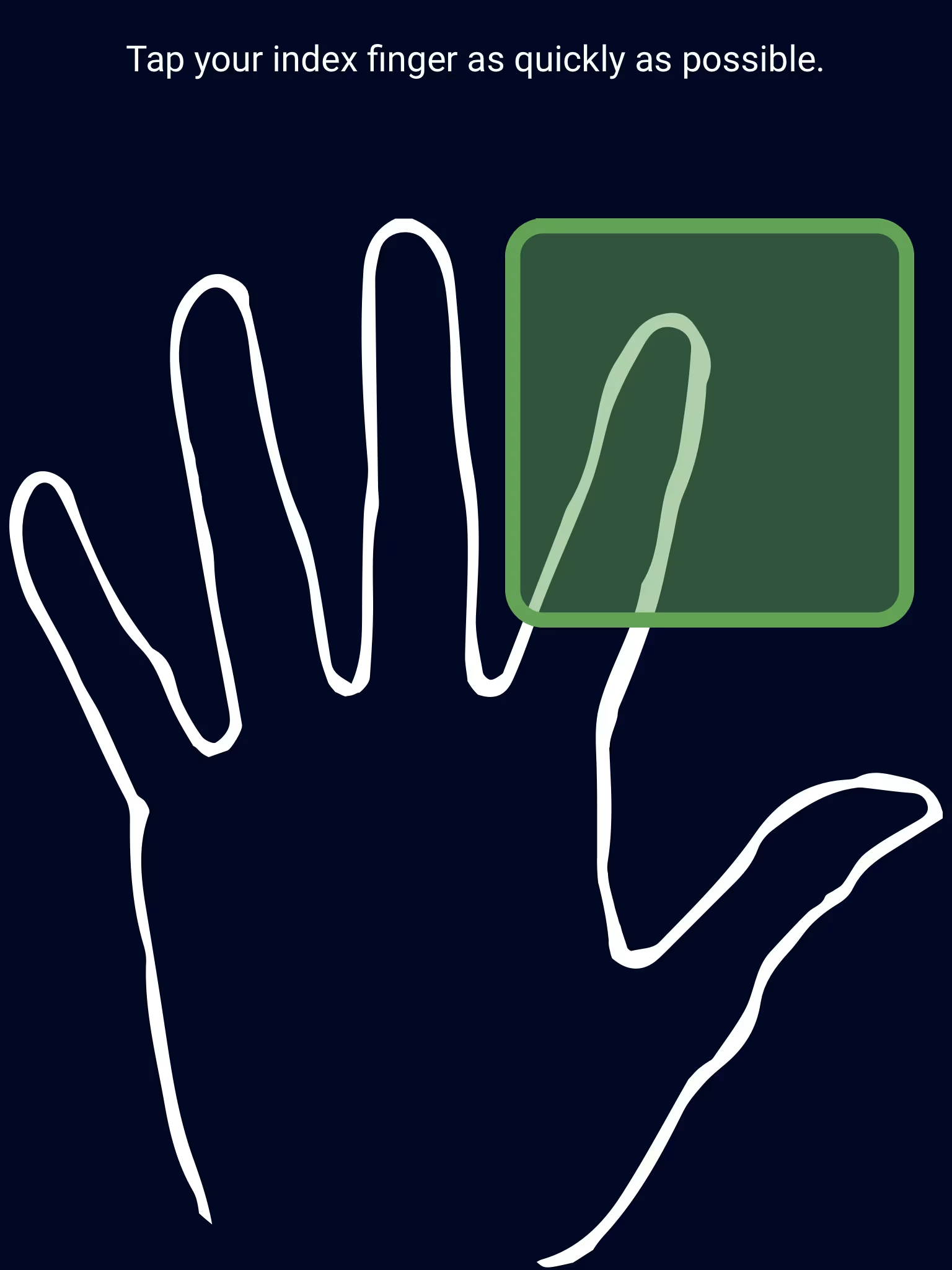
The examinee is asked to tap their index finger repeatedly, and as fast as possible, until the end of the trial. Quick Tap tests only the non-dominant hand. Performance on this task can be reflective of early motor changes in a range of neurological and neurodegenerative diseases, including Huntington's Disease (HD) and Parkinson's Disease (PD).
Line Length | judgment of length
Task Length
Task Description
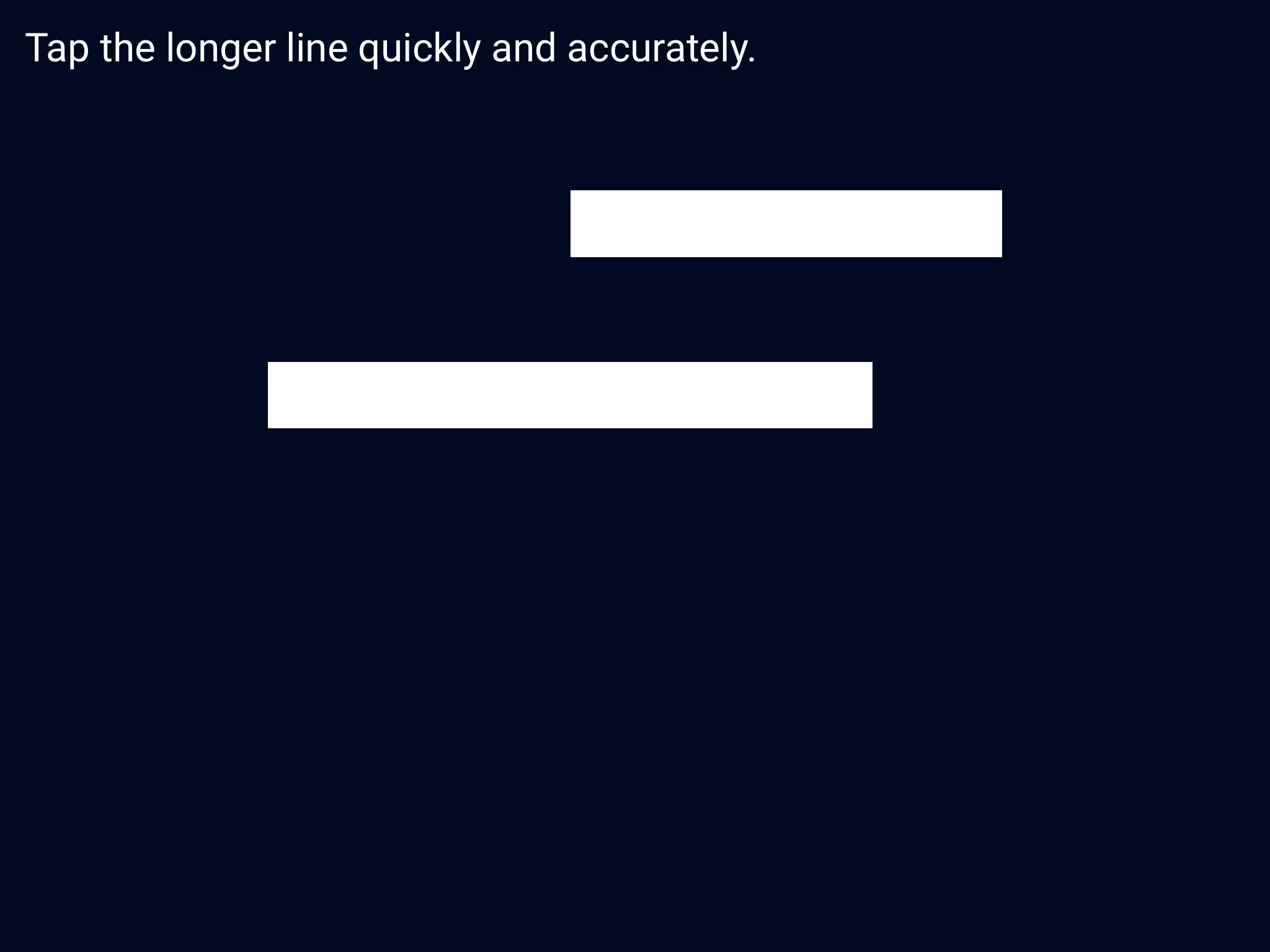
The examinee is shown lines of differing lengths and is asked to identify the longest line. Trial difficulty is manipulated based on response accuracy. Visual discrimination deficits can be seen in patients with a number of neurological conditions, including focal brain lesions (stroke) and neurodegenerative disorders (AD, DLB).
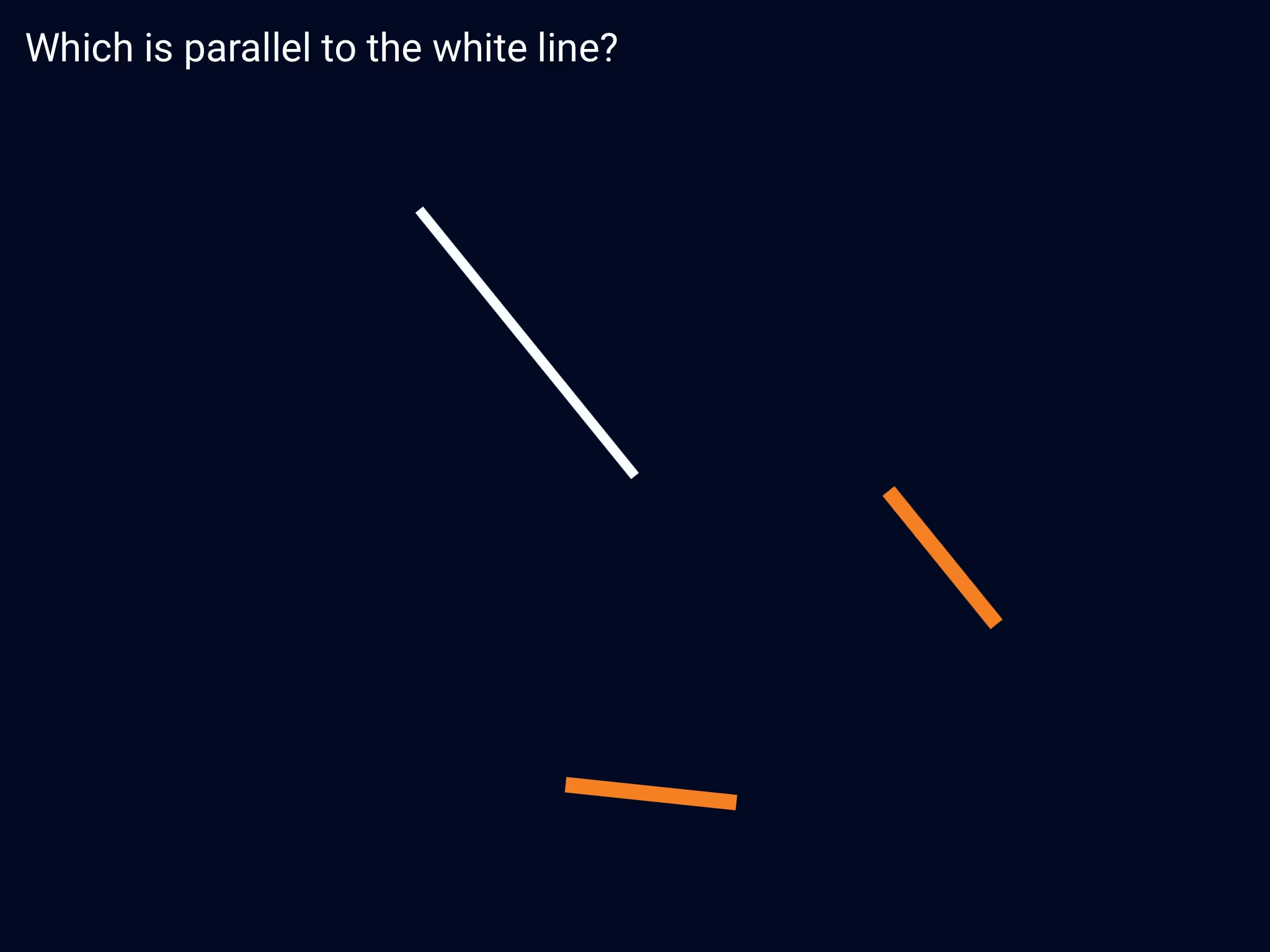
Line Orientation | judgment of angle
Task Length
Task Description
The examinee is shown a target line and two additional lines, one of which is parallel to the target, and is asked to identify the parallel line. Trial difficulty is manipulated based on response accuracy. Visual discrimination deficits can be seen in patients with a number of neurological conditions, including focal brain lesions (stroke) and neurodegenerative disorders (AD, DLB).
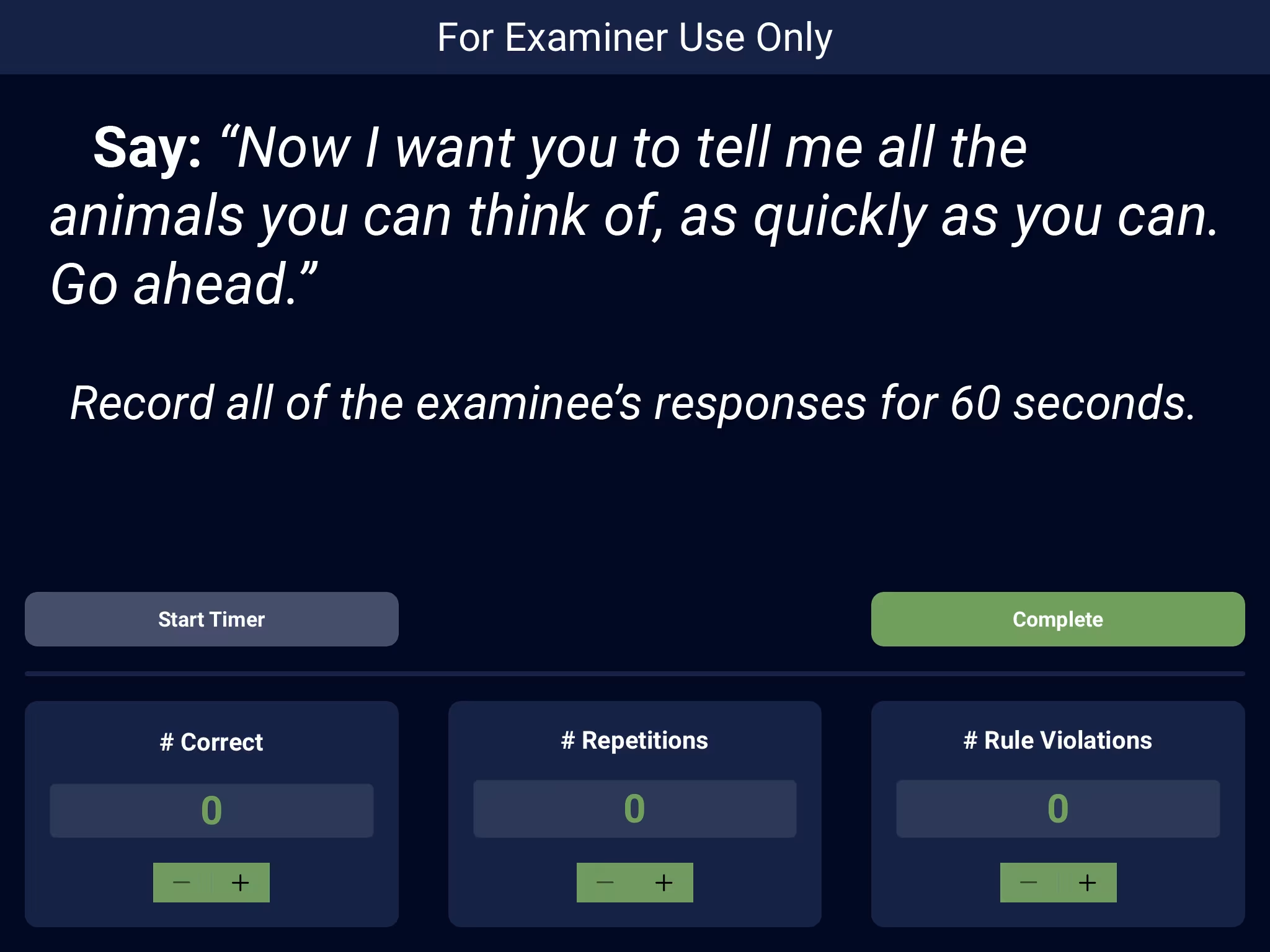
Animal Fluency | categorical verbal fluency
Task Length
Task Description
Examinees are asked to list as many animals as possible in 1 minute. This task is sensitive to early dysfunction of language systems in the brain, particularly in neurodegenerative diseases, including AD, FTD, and PPA.
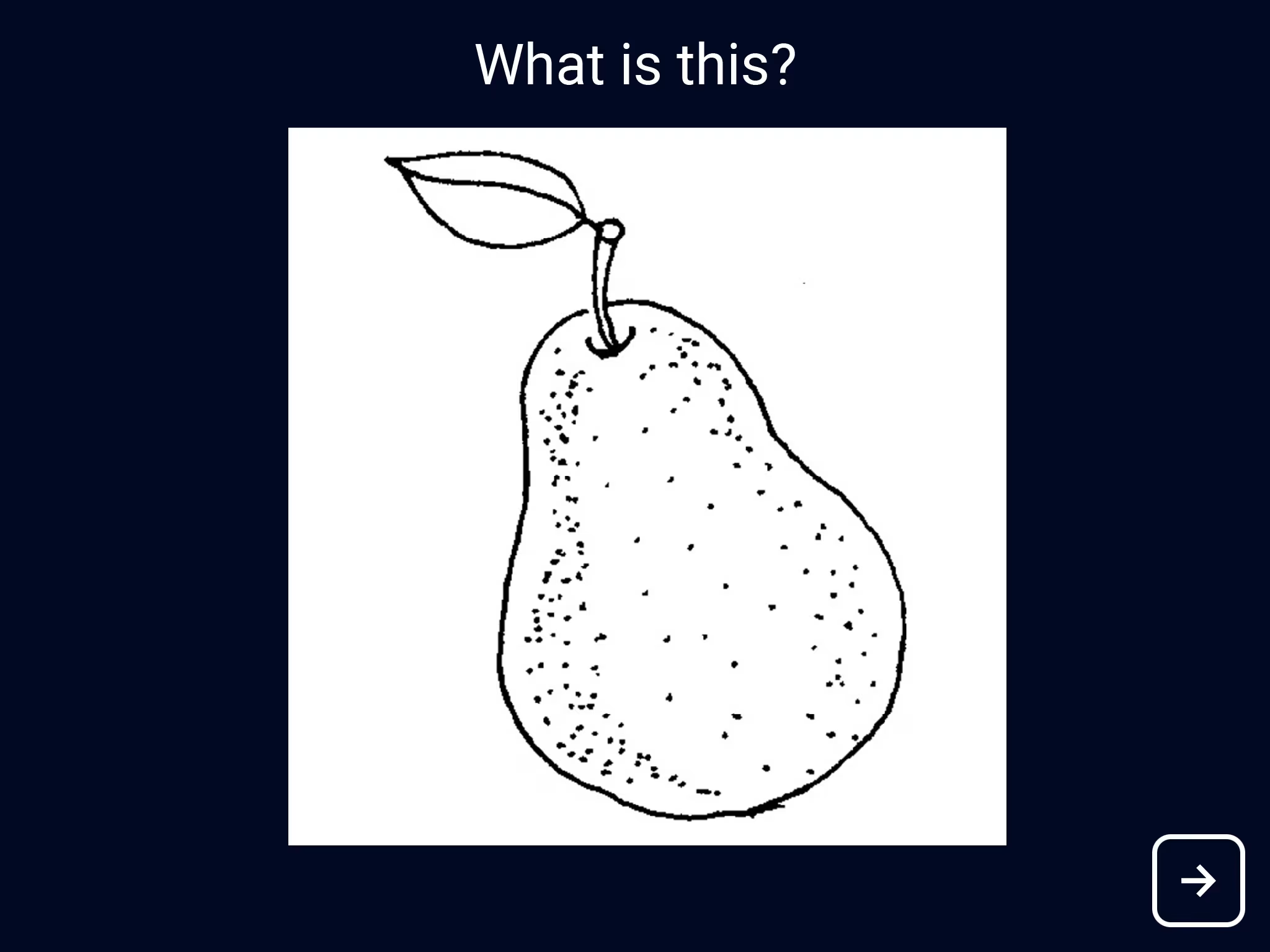
Rapid Naming | speeded confrontation naming
Task Length
Task Description
Examinees are shown pictures of common objects and are asked to name each object as quickly as possible. This task is sensitive to early word finding difficulties (e.g., “tip-of-the-tongue” phenomenon), which can be observed in a range of neurodegenerative disorders, especially AD, FTD, and PPA.
TabCAT Batteries
TabCAT offers pre-built batteries of tasks as well as the option to create your own custom assessment.
Total Assessment Time: 10 minutes
The TabCAT Brain Health Assessment (TabCAT-BHA) is a battery of TabCAT tasks optimized for the accurate detection of mild cognitive impairment (MCI) and mild dementia, and validated for use in research, dementia specialty care centers, and primary care. The battery assesses cognitive skills including memory, executive function, visuospatial skills, and language generation. In addition, an optional 3-minute informant survey provides information about the level of functional impairment and behavioral changes.
The TabCAT-BHA is easy to administer, available in several languages, reliably measures change over time, and includes results from each major cognitive domain as well as composite scores for assessing global function.
Below are the tasks included in the TabCAT-BHA, in the recommended order of administration.
| Task Name | Domain Assessed |
|---|---|
| *This task is an optional part of the TabCAT-BHA that strengthens composite scores. | |
| Favorites Learning | Memory |
| Match | Executive Function |
| Line Orientation* | Visuospatial Skill |
| Favorites Delay | Memory |
| Favorites Recognition* | Memory |
| Animal Fluency* | Language Generation |
| Brain Health Survey* | Daily Function |
Total Assessment Time: 20 minutes
The TabCAT-EXAMINER (Executive Abilities: Measures and Instruments for Neurobehavioral Evaluation and Research) is a battery comprised of several tasks that assess domains of executive function including working memory, inhibition, task-switching, and fluency. Tasks are both novel and adapted from the original paper-and-pencil/computerized hybrid NIH EXAMINER battery.
The battery is reliable, valid, and adaptable to a wide range of ages and disorders, and suitable for clinical investigations and clinical trials.
Below are the tasks included in the TabCAT-EXAMINER battery.
| Task Name | Task Domain |
|---|---|
| Dot Counting | Verbal Working Memory |
| Running Dots | Spatial Working Memory |
| Flanker | Inhibition |
| Set Shifting | Task Switching |
| Match | Global Executive Functions |
| Animal Fluency | Categorical Verbal Fluency |
TabCAT Questionnaires
Questionnaires on TabCAT are examinee-facing, informant-facing, or examiner-facing. Most measures are adapted from paper-and-pencil versions validated in older adults. Select a category below to browse available questionnaires on TabCAT.
Combat Exposure Scale
evaluation of combat experience
The respondent is asked to evaluate the examinee’s exposure to combat experience during military service.
NBC Exposures
evaluation of nuclear, biological, and chemical exposure
The respondent is asked to evaluate the examinee’s exposure to nuclear, biological, and chemical agents during military service.
OA OSU Traumatic Brain Injury ID
history of TBI
The gold-standard semi-structured interview evaluation of TBI history, as developed by Ohio State University.
Social Determinants of Health Survey (SDOH)
non-medical factors influencing health
The respondent is asked to identify conditions and environments related to the examinee’s upbringing, residence, education, work experience, and more.
Generalized Anxiety Disorder (GAD-7)
severity of anxiety symptoms
The 7-item version of the gold-standard evaluation of Generalized Anxiety Disorder.
Patient Health Questionnaire (PHQ)
severity of depression symptoms
The 8- and 9-item versions of the gold-standard evaluation of Major Depression.
PTSD Checklist for DSM-5
severity of PTSD symptoms
The gold-standard evaluation of Post-Traumatic Stress Disorder.
Brain Health Survey (BHS)
daily function
The examinee’s informant is asked to evaluate change in the examinee’s functional level and emergence of new neurocognitive symptoms.
Examiner Feedback Survey
meta-evaluation of encounter success
The examiner is asked to provide feedback on the encounter’s successes and challenges, to be used for improving implementation of TabCAT in a study or clinic.
Military Service Information
service history
The respondent is asked to record the examinee’s military service history.
Social Behavior Observer Checklist (SBOCL)
behavioral evaluation
The examiner is asked to identify specific behaviors enacted by the examinee during the course of the encounter.