Our Vision
Through TabCAT, our team aims to effect real change in care for patients with cognitive impairment including dementia, especially those from underserved communities around the world.
Our Story
2013
In 2013, what would become the TabCAT team at the UCSF Memory and Aging Center embarked on a journey to develop cognitive assessments for tablet devices. We were inspired by the possibilities that tablets offered - standardized administration, dynamic stimuli, automated scoring, and more, all packaged in a device that is intuitive and comfortable to use for all. While digital formats made way for many styles of assessment, our commitment to apply the highest standards from the science of test development remained steadfast.
2015
Neuropsychologists Kate Possin, Joel Kramer, and Kate Rankin partnered together to design a brief assessment that could improve the detection of cognitive impairment in everyday clinical settings, and the TabCAT Brain Health Assessment (TabCAT-BHA) was born. In October 2015, the first TabCAT application for scaled distribution was released.

2017
Dr. Possin was awarded a 5-year UG3/UH3 grant by NIH/NINDS to address the need to improve the detection of cognitive impairment, including dementia, in primary care settings. This study would provide crucial support to validate the TabCAT-BHA in diverse populations, collect rich normative data on well-characterized individuals, and implement the assessment in UCSF primary care. Shortly after receiving the grant, the first publication validating the TabCAT-BHA for detecting neurocognitive disorders was published in the Journal of the American Geriatrics Society.
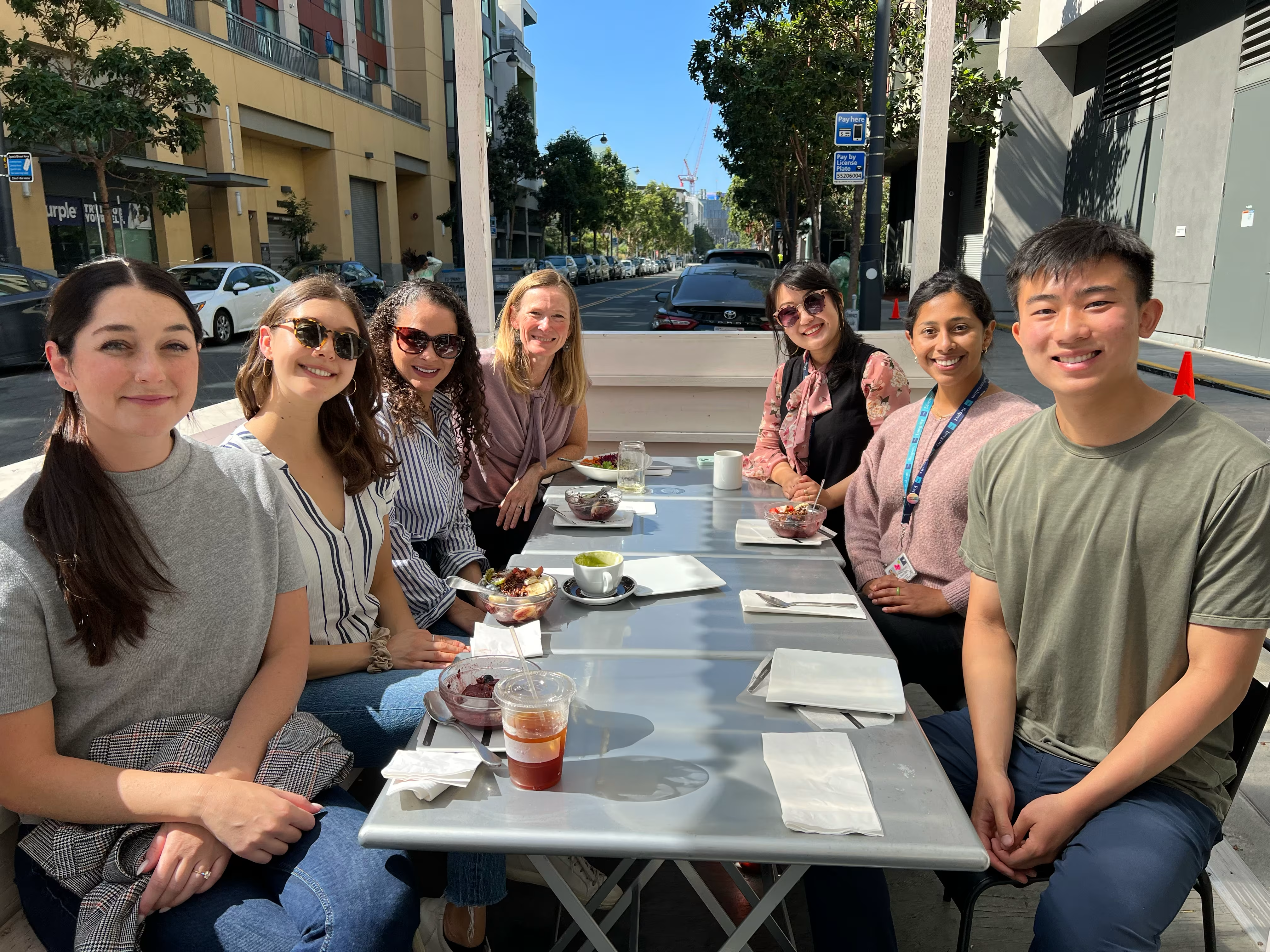
2019
The TabCAT-BHA was implemented in 3 primary care clinics and 1 specialty clinic at UCSF, with EHR integration included to enable immediate delivery of results to primary care providers.
At the same time, the Cognitive Assessment in Diverse Populations interest group was founded to identify approaches to test design that are useful among diverse populations. Most members are Atlantic Fellows for Equity in Brain Health at the Global Brain Health Institute (GBHI), where Dr. Possin serves as a faculty member. GBHI is an important partner of the TabCAT team, and we work together to address the problem of underdiagnosis of dementia in low resource settings and the need for culturally appropriate cognitive tools.
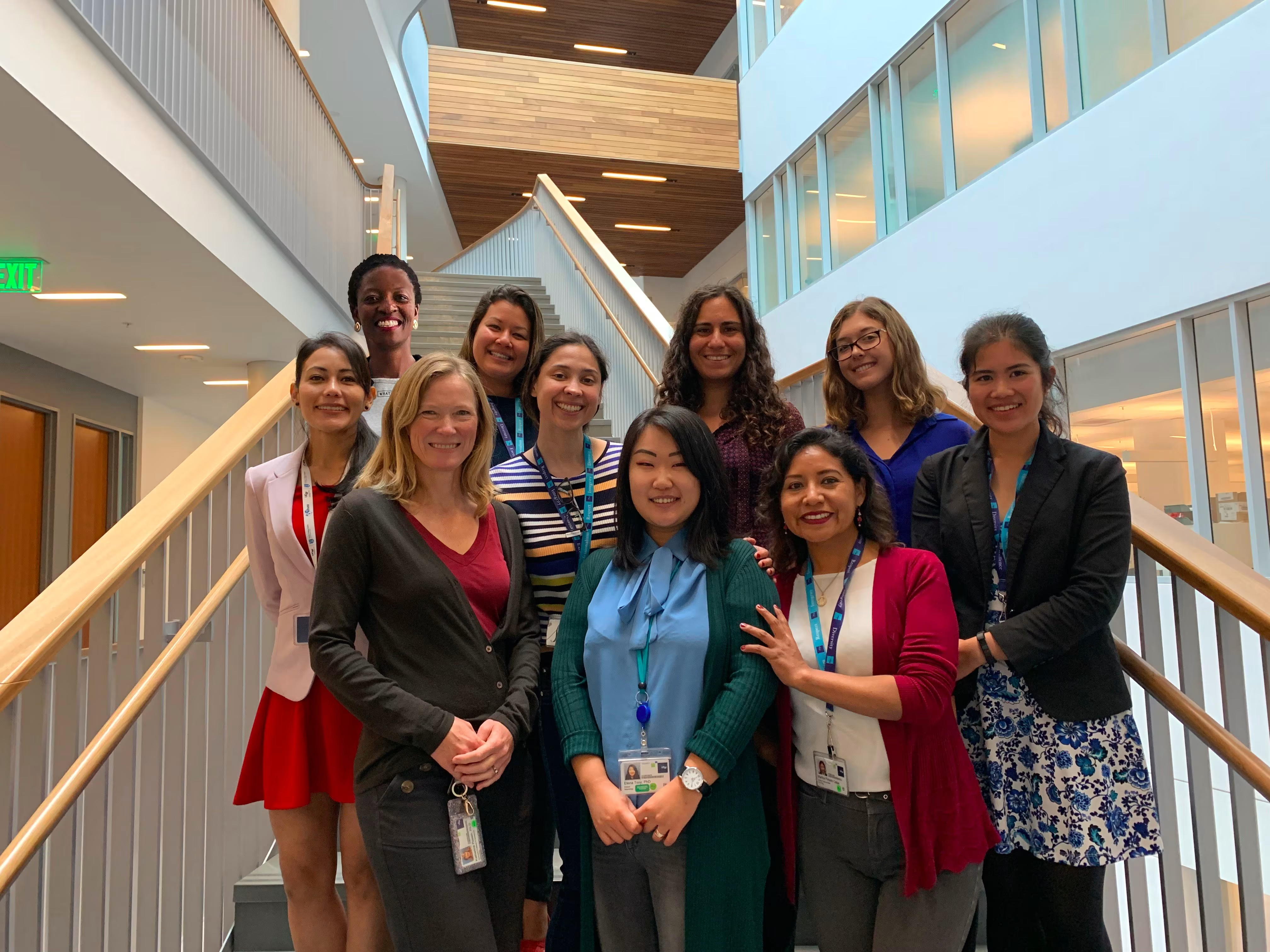
2020
Suchanan Kanjanapong, MD, completed a fellowship with the TabCAT team that was funded by the Princess Maha Chakri Sirindhorn of Thailand. At the conclusion of the fellowship, Dr. Kanjanapong showcased the Thai version of the TabCAT Brain Health Assessment to the Princess.
2022
In March, our team released a full refactoring of the platform, TabCAT 3.0, to the App Store to ensure that TabCAT remains a modern, secure, and robust tool for delivery of cognitive assessments. In September, NIH/NINDS awarded Dr. Possin a U01 grant to evaluate the impact of the TabCAT-BHA on the detection of cognitive impairment, including dementia, at the Kaiser Permanente Southern California (with Huong Nguyen, PhD). This pragmatic cluster randomized trial will be complete in late 2027.
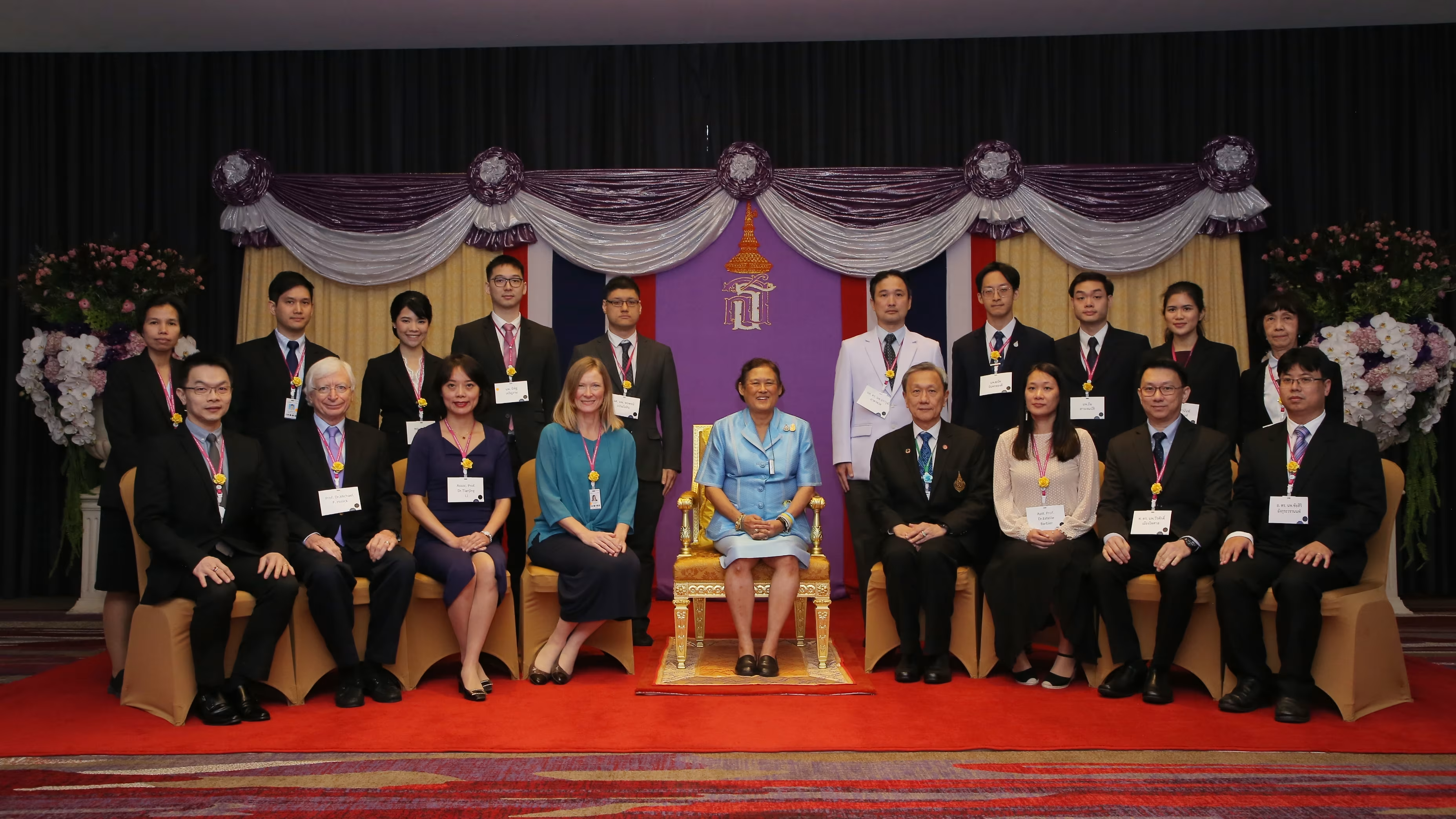
2024
The Hillblom Brain Aging Center was funded. This Center serves as an incubator for innovative digital cognitive monitoring tools, including TabCAT, that are advancing the ways we measure cognition and monitor for disease.
Today
Our team continues our work to advance the detection and monitoring of neurodegenerative disease. We are engaged in work to evaluate TabCAT tests in diverse international participants, and to understand how social determinants of health impact test performance. In a recent publication from our lab, Dr. Elena Tsoy demonstrated how combinations of the TabCAT-BHA with plasma biomarkers in a racially and ethnically diverse sample can accurately predict amyloid PET status, disease severity, and future decline. We are thrilled to partner with the many researchers and clinicians who are incorporating TabCAT into their work. We hope the assessments are useful to you, and we welcome feedback on how the platform can be improved to suit your needs.
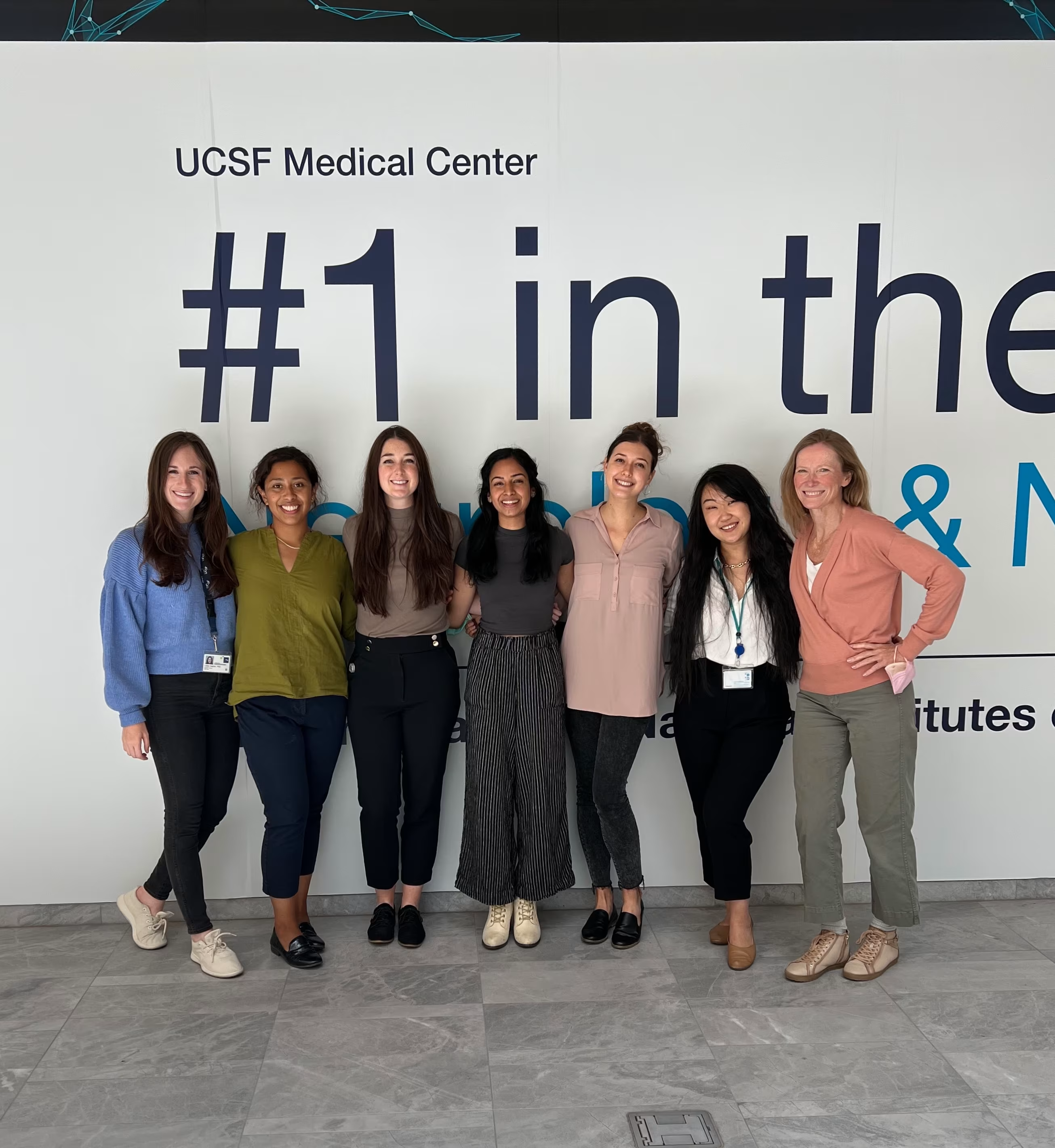
Meet the TabCAT team
Core Leadership
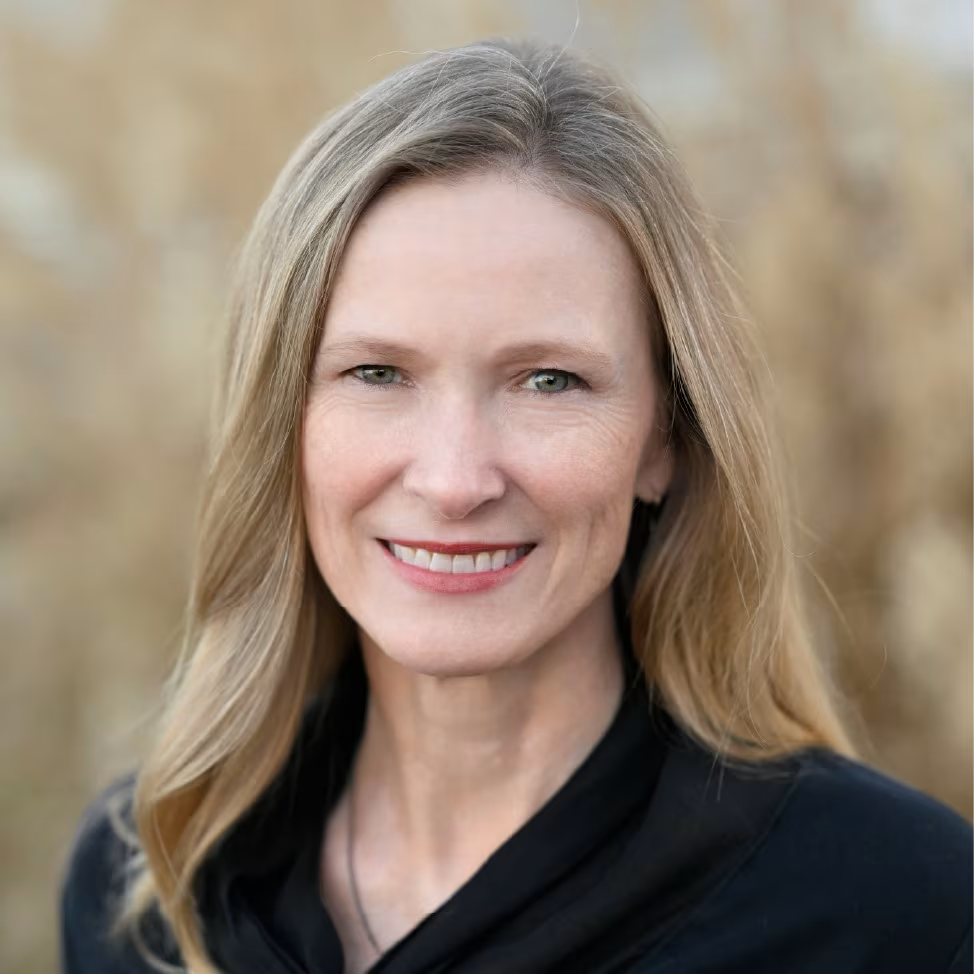
Kate Possin, PhD
Project Lead
Kate Possin is a Professor and Neuropsychologist at the UCSF Memory and Aging Center and the Global Brain Health Institute. Her research program is focused on improving the detection, diagnosis and care for people with neurodegenerative disease. She is the Project Lead for TabCAT, and aims to address important gaps in research and care with psychometrically advanced and easy to use tablet-based assessments.
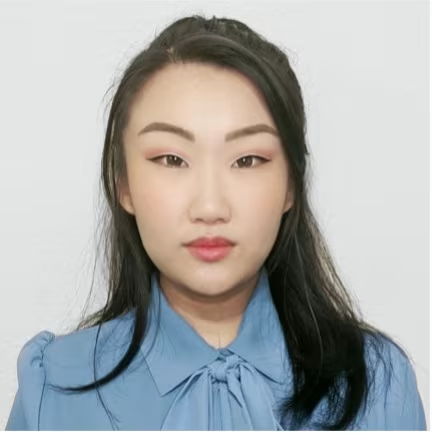
Elena Tsoy, PhD
Project Co-Lead
Elena Tsoy is an Assistant Professor and Neuropsychologist at the UCSF Memory and Aging Center. Her research focuses on understanding racial and ethnic disparities in aging and dementia and early detection and diagnosis of neurodegenerative diseases in underrepresented populations.
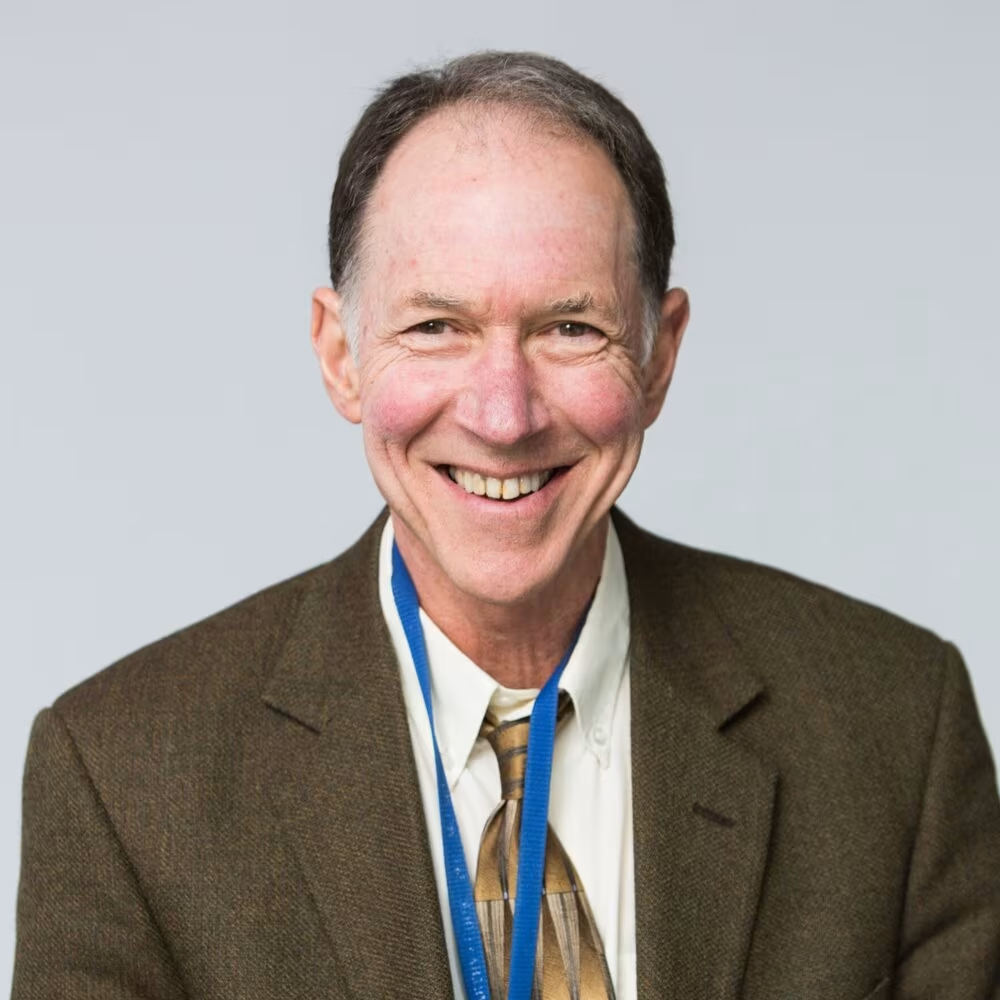
Joel Kramer, PsyD
Professor & Neuropsychologist
Joel Kramer is a Professor at the UCSF Memory and Aging Center. His research uses neuroimaging, neuropsychology, neuroimmunology, and genetics to study the underlying biological mechanisms of cognitive aging, the cognitive effects of cerebrovascular disease and frontotemporal dementia, and the relationships between cognitive functioning, behavioral control, and reward systems.
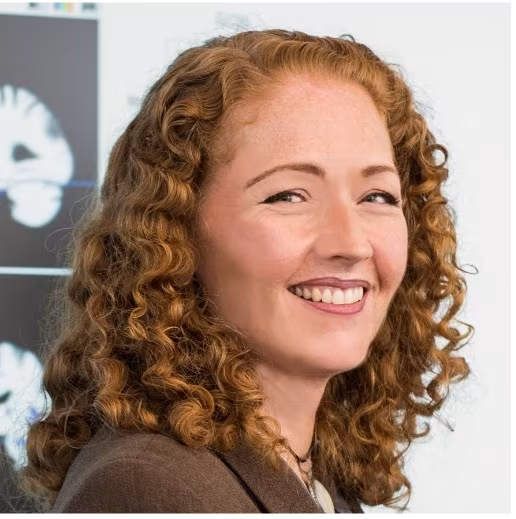
Kate Rankin, PhD
Professor & Neuropsychologist
Kate Rankin is a Professor at the UCSF Memory and Aging Center who specializes in the neuropsychological and neurologic underpinnings of human socioemotional behavior in healthy aging and neurodegenerative disease.
Scientific Advisors
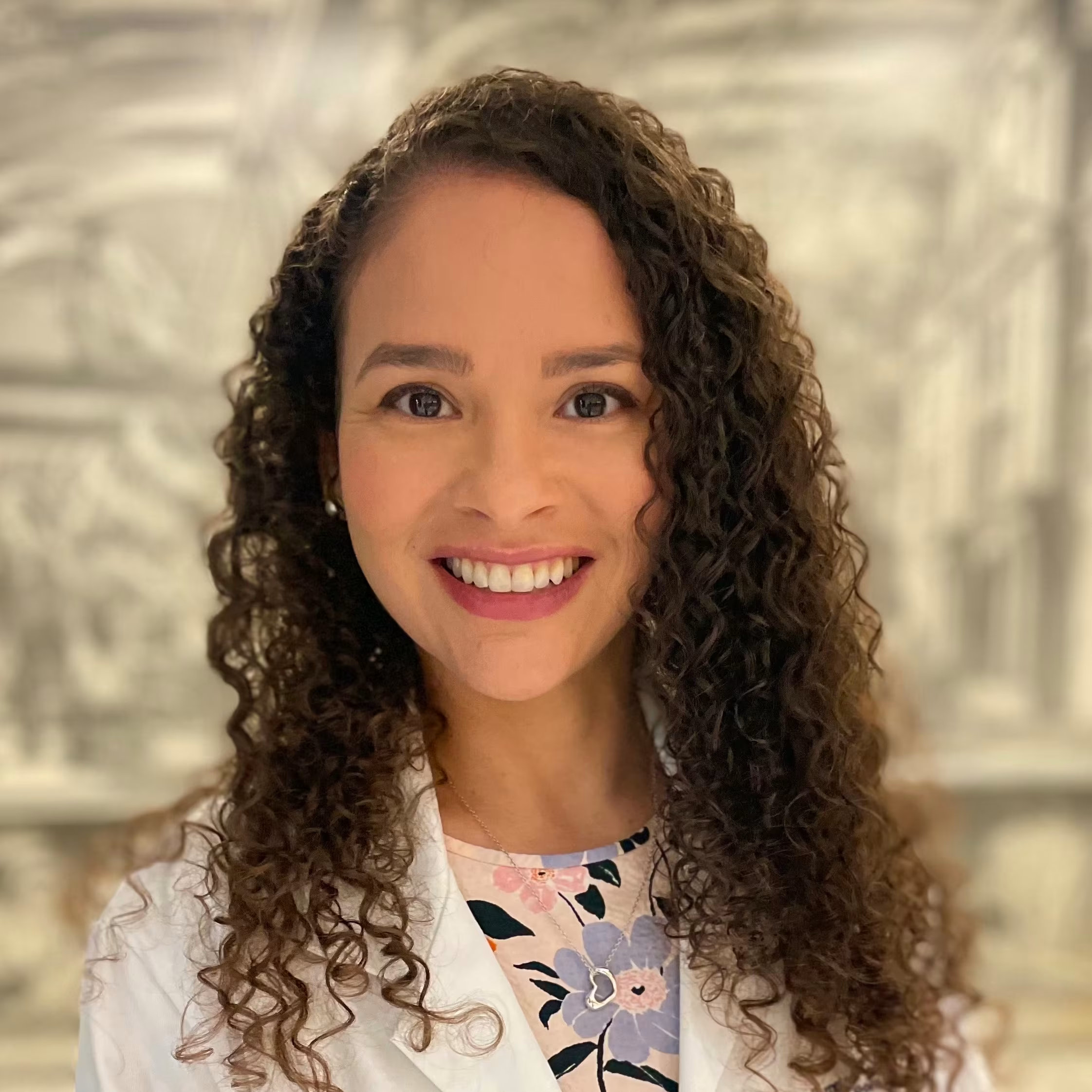
Odmara Barreto Chang, MD, PhD
Assistant Professor in Residence
Odmara Barreto Chang is an Anesthesiologist and Neuroscientist at the UCSF Department of Anesthesia and Perioperative Care. Her research focuses on early detection of patients at risk for Perioperative Neurocognitive Disorders and the development of clinical care pathways for neuroprotection of vulnerable patients undergoing surgery.
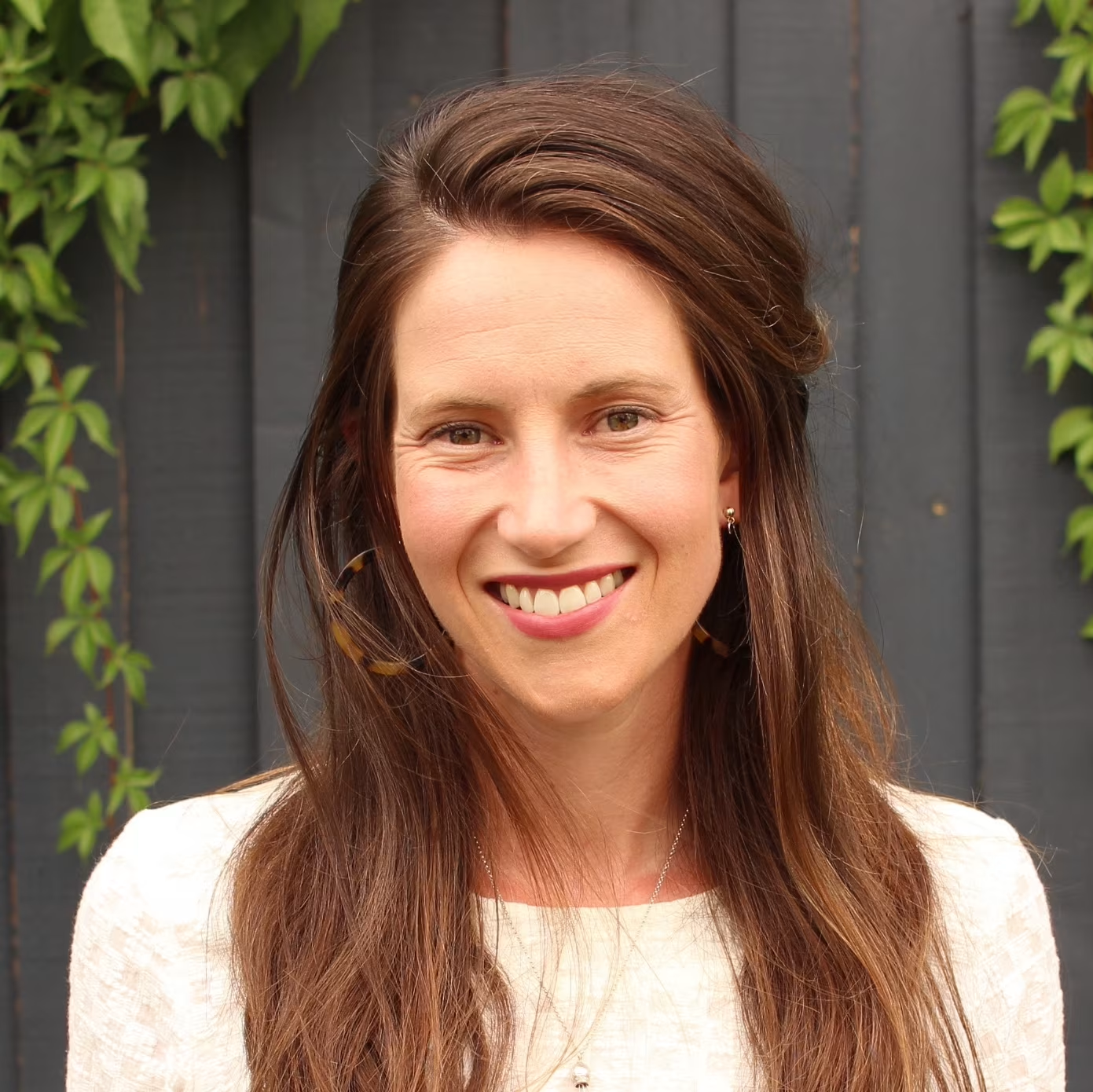
Kelly Atkins, PhD
Neuropsychology Fellow
Kelly Atkins is a Clinical Neuropsychologist from Melbourne Australia, completing postdoctoral research at the UCSF Memory and Aging Center in the Department of Neurology. Kelly's research interests focus on the measurement of cognitive and neuropsychiatric changes in people with atypical neurodegenerative conditions.
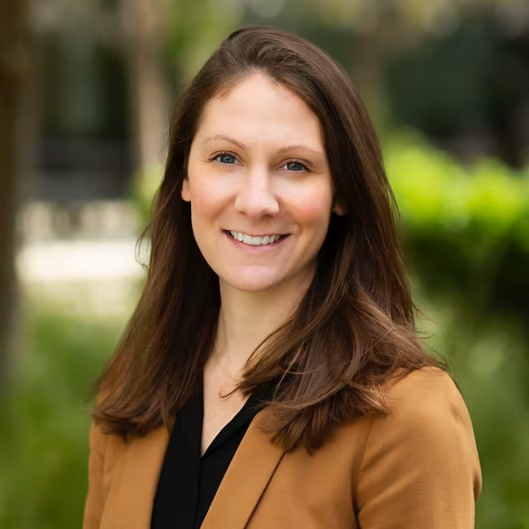
Kaitlin Casaletto, PhD
Associate Professor
Kaitlin Casaletto is an Associate Professor at the UC San Francisco Memory and Aging Center. She leads a research program identifying novel biological and behavioral targets of dementia prevention. Her work has a lens towards sex differences and translational study designs that leverage biofluid markers and digital health approaches to identify targets of cognitive resilience to aging.
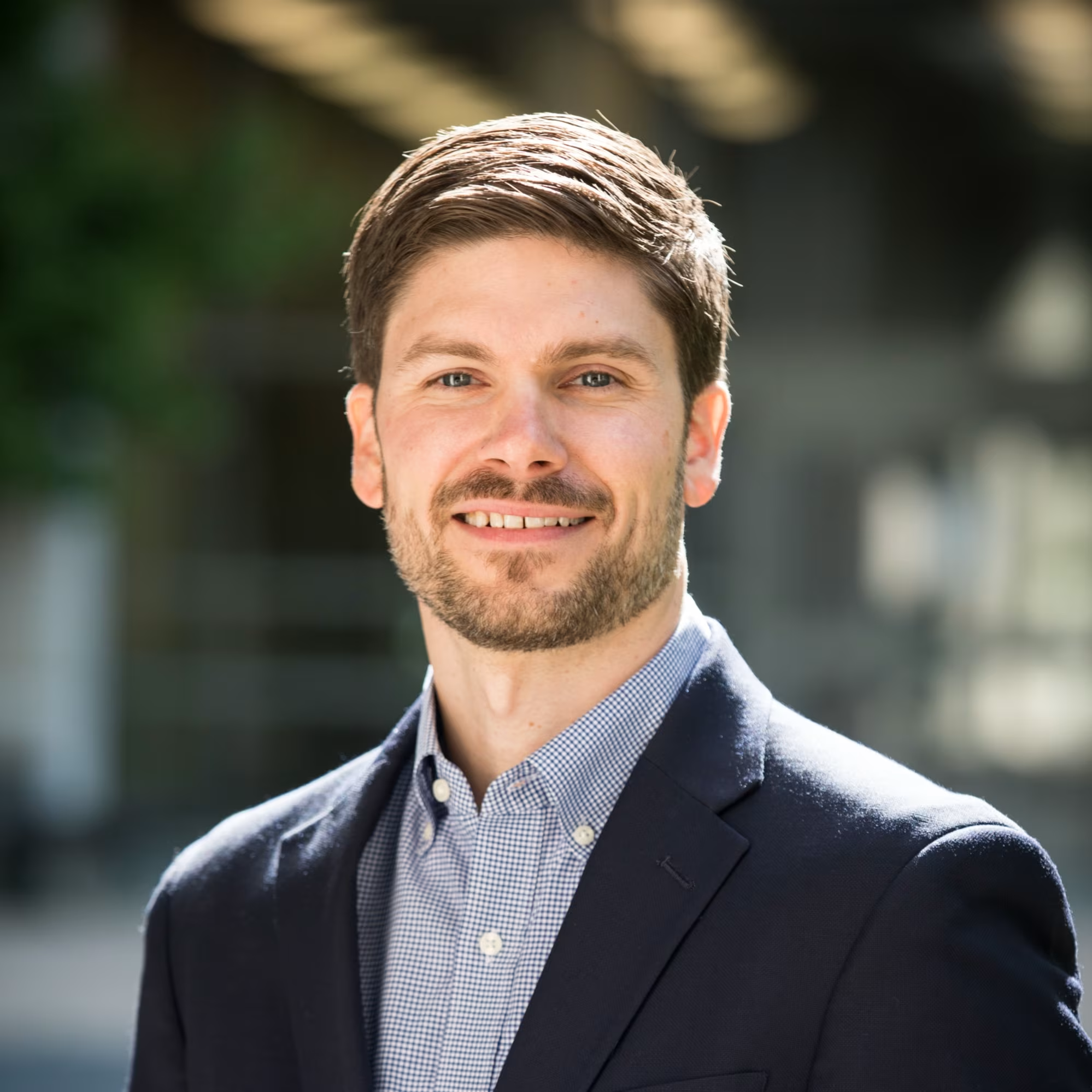
Adam Staffaroni, PhD
Associate Professor
Adam Staffaroni is a Clinical Neuropsychologist and Associate Professor at the UCSF Memory and Aging Center. His research focuses on improving early detection and monitoring of neurodegenerative diseases through a variety of methodologies, including digital health technologies.
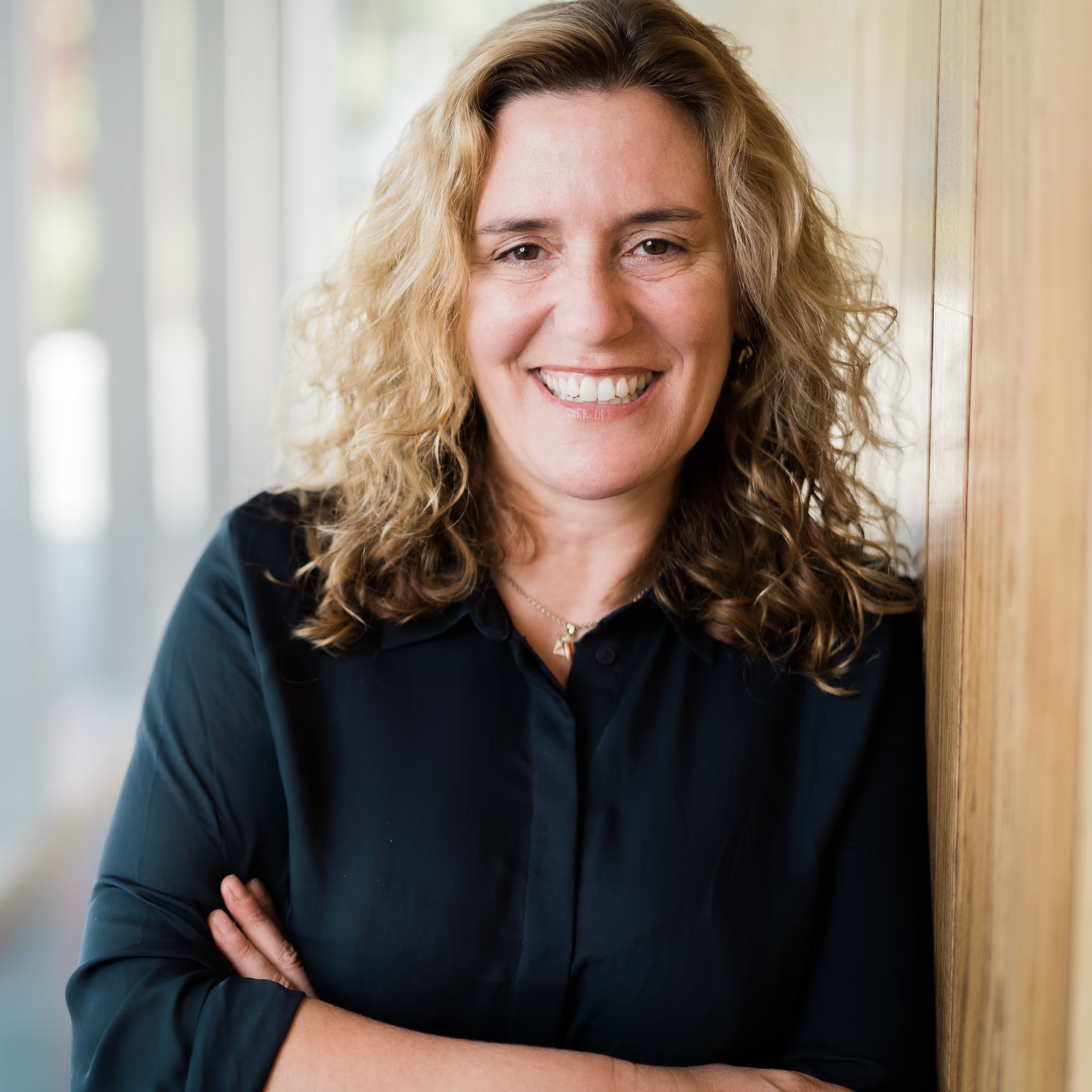
Marilu Gorno Tempini, MD, PhD
Professor of Neurology and Psychiatry
Dr. Maria Luisa Gorno Tempini is a behavioral neurologist and the Charles Schwab Charles Schwab Distinguished Professorship in Dyslexia and Neurodevelopment. She currently directs the Language Neurobiology Laboratory at the UCSF Memory and Aging Center and the UCSF Dyslexia Center. Her clinical work concentrates on behavioral neurology across the lifespan, and her research investigates the neural basis of higher cognitive functions such as language and memory.
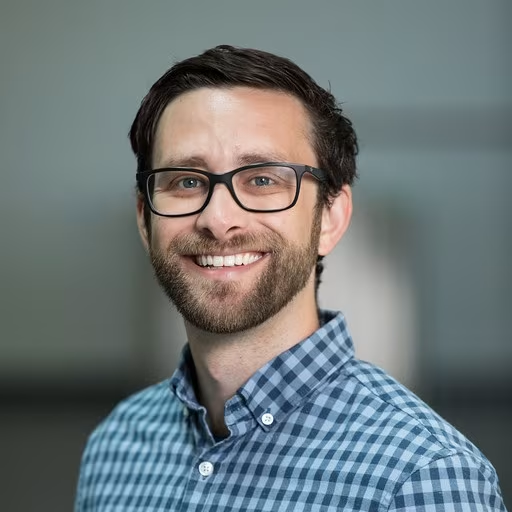
Mark Sanderson-Cimino, PhD
Clinical Neuropsychology Fellow
Mark Sanderson-Cimino is a Neuropsychologist completing his postdoctoral fellowship at the UCSF Memory and Aging Center in the Department of Neurology. His research interests focus primarily on the creation, validation, and harmonization of cognitive and motor measures, including digital assessments. The goal of these projects is to improve detection and monitoring of change over time in older adults with neurodegenerative conditions.
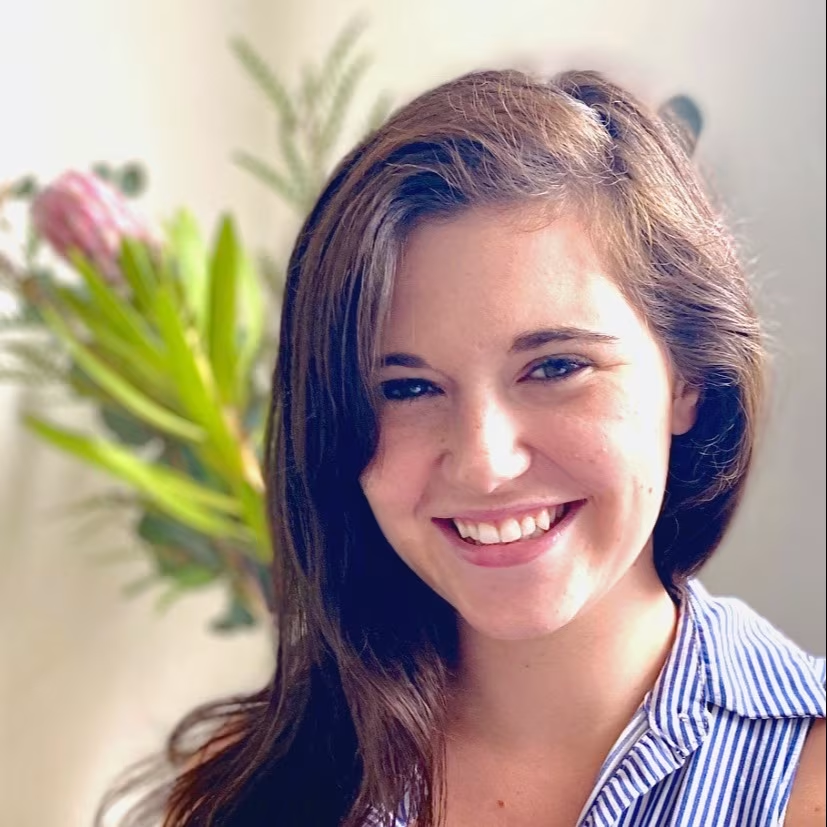
Alex Weigand, MS
Neuropsycholog Fellow
Alex Weigand (she/they) is a first-year neuropsychology fellow at the UCSF Memory and Aging Center. Her research focuses on characterizing biological and cognitive heterogeneity in preclinical Alzheimer’s disease using multimodal assessments (e.g., neuropsychological, neuroimaging, biofluid) and advanced statistical modeling. Alex is finishing her PhD at the San Diego State University/UC San Diego Joint Doctoral Program in Clinical Psychology.
Development & Operations
Harli Grant
Project Manager
Harli Grant focuses on the effective delivery of innovations within TabCAT, leading efforts to enhance usability, accessibility, and engagement with the platform while supporting collaborations with TabCAT users and software developers. Harli received an A.B. in Neuroscience with a certificate in Information Science and Information Studies from Duke University.

VYNYL
Platform Strategy & Engineering Team
Vynyl is proud to have partnered with UCSF on the TabCAT project since 2016. Our team has worked closely with the researchers and clinicians at UCSF to develop and enhance the TabCAT platform, focusing on usability, accessibility, and engagement. We bring a deep understanding of the unique challenges and opportunities in healthcare technology, and have supported UCSF's mission to advance precision medicine and improve patient outcomes. We remain committed to delivering innovative technology solutions that empower TabCAT users and support cutting-edge research.
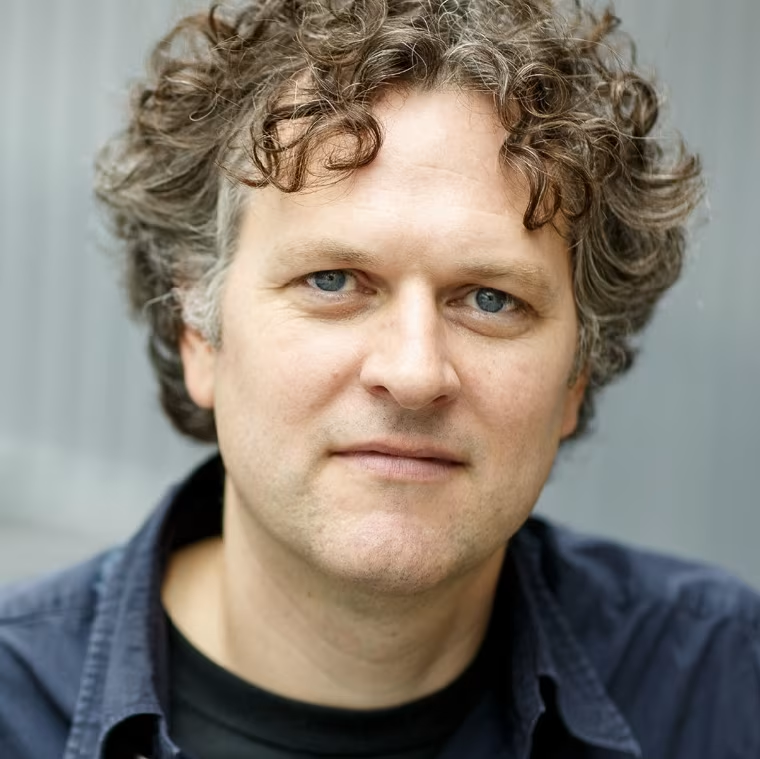
Joe Hesse
Development & Operations Advisor
Joe Hesse focuses on development of informatics and computational infrastructure in support of precision medicine with the overall goal of delivering technology solutions to clinicians and researchers that are both scientifically agile and regulatory compliant. He promotes a vision for an integrated ecosystem of technologies, infrastructure and services that can truly support the full scope of USCF's mission – from innovative approaches to discovering causes of disease and promoting health, to educating the next generation of health professionals and scientists, to translating discoveries into patient care.
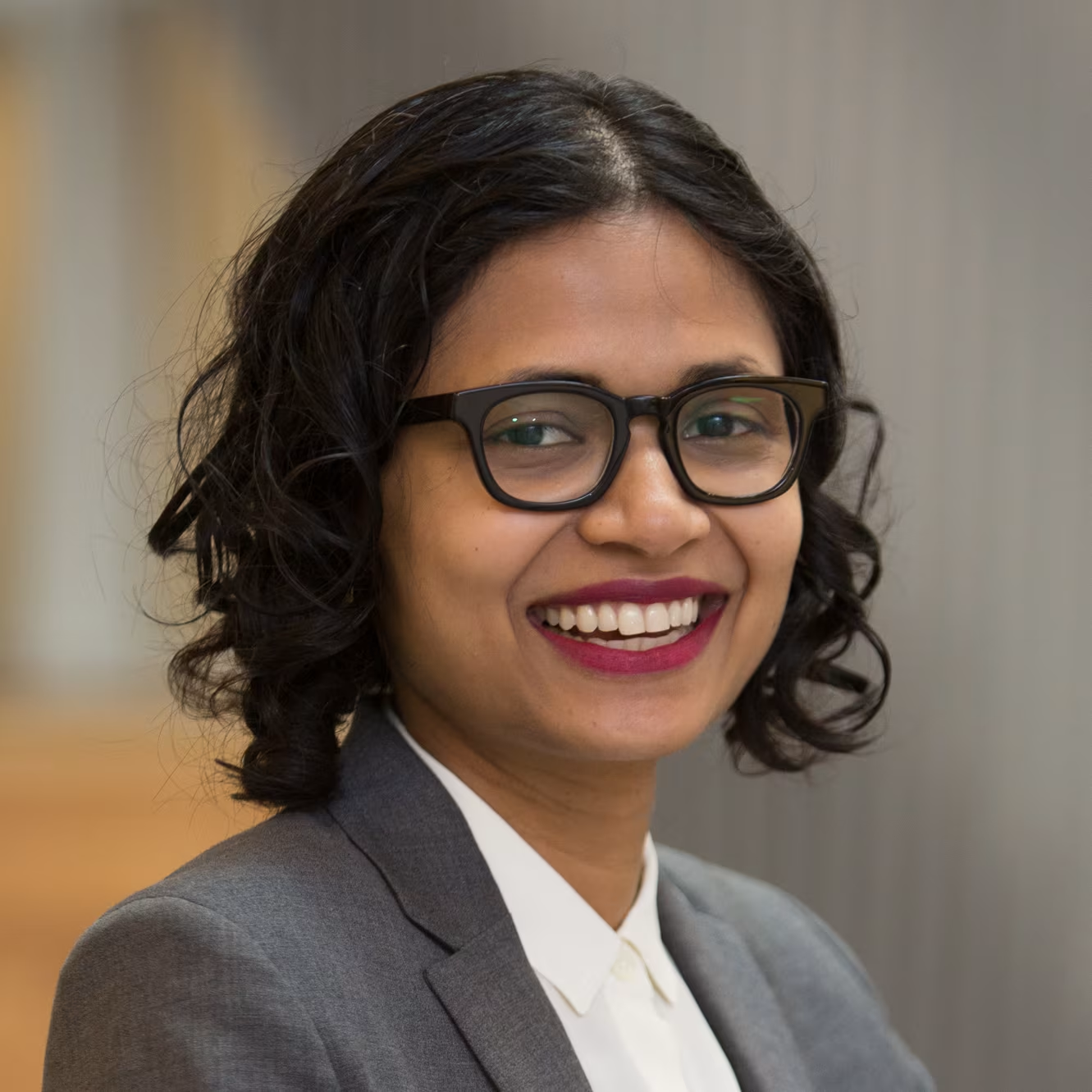
Rose George
Development & Operations Advisor
Rose George is a product manager and oversees the building of solutions and systems to support the Memory and Aging Center’s goal of providing model care for patients and their families, finding innovative ways to understand and hopefully cure these neurodegenerative diseases, and reaching out to the wider community to raise awareness about these diseases of aging.
Project Coordinators
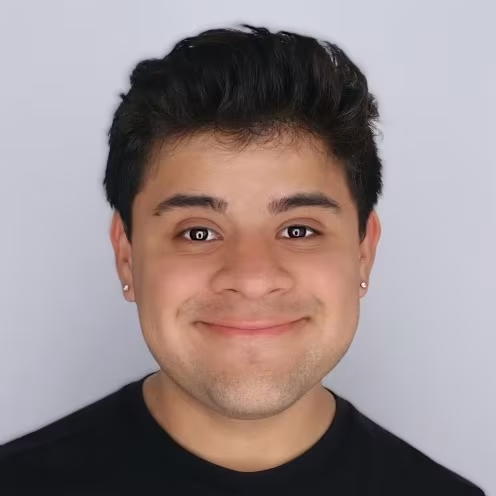
Xavier Lopez
Research Coordinator
Xavier is a clinical research coordinator for the TabCAT team, supporting early dementia detection and brain health research to help people living with dementia and their families access and navigate care. He received his bachelor’s degrees in psychology and social welfare from the University of California, Berkeley.
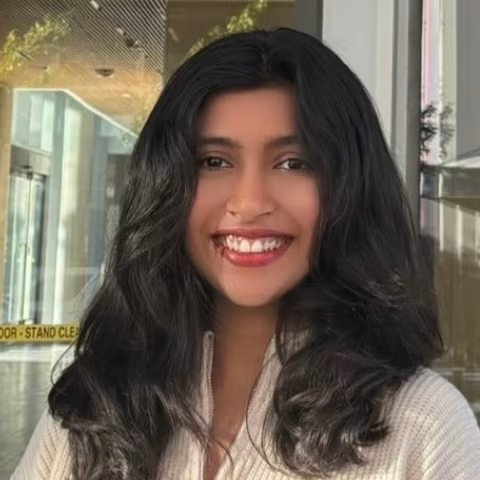
Parinika Joshi
Data Analyst
Parinika is a data analyst for the TabCAT team at the UCSF Memory and Aging Center. She brings a unique background as a dental surgeon turned public health data scientist, with an MPH in Epidemiology and Biostatistics. Her work focuses on longitudinal data pipelines, clinical data systems, and statistical analysis in support of the Care Ecosystem.